Washing Basics
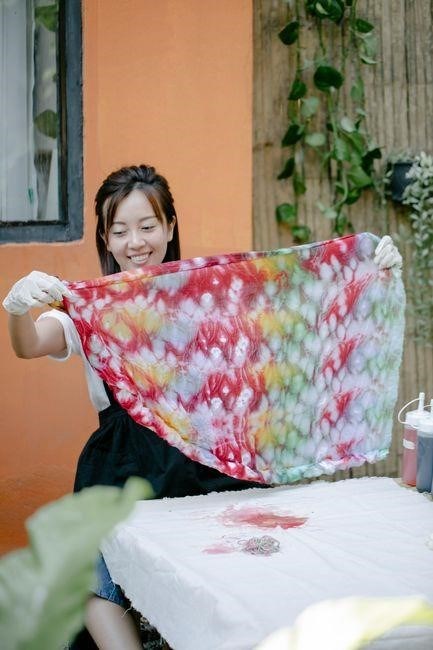
Begin by rinsing the dyed garment in cold water to remove excess dye. Then‚ wash with a gentle‚ color‑safe detergent on a mild cycle. Avoid high heat; use low temperature to preserve vibrancy. Finish with a quick rinse and lay flat to dry. After washing‚ press gently to remove excess water‚lay now flat.
Use Cold Water to Preserve Color
Cold water is the cornerstone of post‑tie‑dye care. It keeps dyes locked in the fibers‚ preventing the bright hues from bleeding into the wash cycle. Start by rinsing the garment in a basin of cool water until the water runs clear; this removes surface dye that could otherwise transfer to other clothes. Then‚ fill a clean tub or washing machine with cold water—ideally 60°F to 70°F (15°C–21°C). Submerge the item fully‚ gently swishing it to ensure even contact with the water. Let it soak for 10 to 15 minutes; this brief immersion allows any remaining loose dye to be flushed out without stressing the fibers. After soaking‚ drain the water and rinse the garment again in fresh cold water to remove residual dye. Finally‚ gently squeeze out excess water—never wring or twist—then lay flat on a clean towel to air dry. This method preserves the vibrancy of your tie‑dye while extending the life of the fabric.

When washing multiple tie‑dye pieces‚ keep the load small to avoid excessive agitation that can loosen dyes. Use a gentle spin cycle at low speed; high spin can pull dye out of fibers. If you prefer a machine‚ select a “delicate” or “hand wash” setting. For hand washing‚ fill a basin with cold water‚ add a splash of color‑safe detergent if desired‚ and gently agitate the garment for 30 seconds. After rinsing‚ lay the item flat on a clean towel‚ reshaping it to its original dimensions. Avoid hanging the garment while wet‚ as this can stretch the fibers. Finally‚ store the dried tie‑dye in a cool‚ dark place to maintain its color integrity.
Choose a Gentle‚ Color-Safe Detergent
When caring for tie‑dye‚ the detergent you select can make or break the longevity of the colors. A gentle‚ color‑safe formula protects the dye molecules from harsh chemicals that can strip pigment. Look for detergents labeled “color‑safe‚” “delicate‚” or “no‑bleach.” These products contain mild surfactants that lift dirt without attacking the dye bonds. Avoid chlorine‑based bleaches or high‑pH detergents‚ which can cause fading or color shifts. A low‑ph detergent keeps the pH neutral‚ preserving the integrity of protein‑based fibers like silk and wool. For cotton or polyester blends‚ a color‑safe detergent with a mild enzyme blend will remove stains while keeping hues bright. If you prefer a natural option‚ choose a plant‑based detergent that is free of dyes‚ fragrances‚ and optical brighteners. These ingredients can sometimes interact with the dye‚ causing unexpected discoloration. Always read the label for “no‑bleach” or “color‑safe” claims‚ and test a small hidden area before a full wash. A gentle detergent‚ paired with cold water and a mild cycle‚ will keep your tie‑dye looking fresh and vibrant for many washes to come. When washing‚ keep the load light to avoid overcrowding‚ which can cause uneven dye distribution. Use a mild‚ color‑safe detergentand add a cupof whitevinegar during the rinse to set the dye keep it bright. After drying‚ avoid high heat or prolonged sunlight‚ as these can fade the colors. Store the garment folded in a cool‚ dark place to preserve vibrancy for years. Keepdry

Color Setting Techniques
After dyeing‚ rinse the garment in cold water to remove excess dye. Soak it in 1 cup white vinegar per gallon of water for 30 minutes to lock the dye into fibers‚ boosting color retention and preventing bleed. This keeps dye bright through washes‚ preserving pattern.!!
Apply Vinegar for Silk and Wool
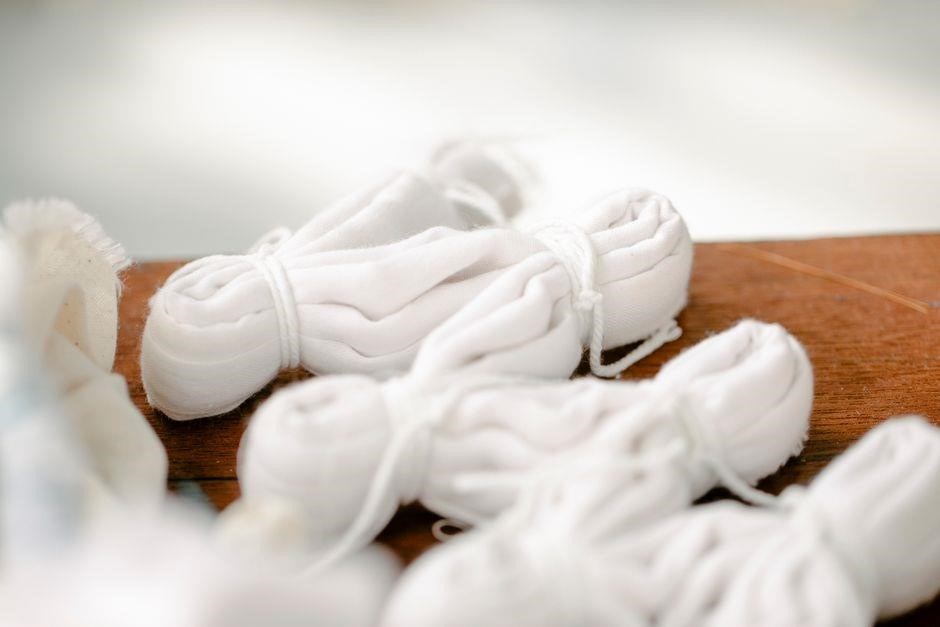
Silk and wool are protein‑based fibers that react best to acidic solutions for color setting Rinse the garment in cold running water until the water runs clear to remove any surface dye Next‚ prepare a gentle vinegar bath: mix 1 cup of white distilled vinegar with 1 gallon of lukewarm water (about 30–40 °C) The acidity helps the dye molecules bond securely to the protein chains reducing the risk of fading or bleeding in future washes The gentle vinegar bath stabilizes the dye and prevents color bleeding during subsequent washes andvibrancy.
Vinegar not only stabilizes dye but also acts as a natural disinfectant‚ removing residual bacteria that may accumulate during the dyeing process. A 1:10 vinegar to water ratio is ideal for most protein fibers‚ ensuring a gentle yet effective setting action. When preparing the solution‚ heat the water slightly to 40–45 °C to enhance penetration‚ but never exceed 50 °C to avoid damaging delicate fibers. After soaking‚ rinse the garment thoroughly in cold water‚ then tumble dry on a low setting or air dry to preserve the texture. For extra protection‚ apply a light coat of a color‑safe‚ fragrance‑free fabric softener during the final rinse; this helps lock in the hue and reduces static cling. Always test a small hidden area of the garment before full application to confirm compatibility‚ especially for vintage or hand‑woven textiles that may have pre‑existing treatments.
Remember to store the dyed garment in a cool‚ dry place‚ away from sunlight maintain vibrancy daily
Use Soda Ash for Cotton and Durable Fabrics
After the dye has set‚ a soda ash bath locks the pigment into cotton and other cellulose fibers. Mix 1 cup of soda ash (sodium carbonate) with 1 gallon of warm water (about 40 °C). Stir until fully dissolved. Submerge the garment for 10–15 minutes‚ gently agitating every few minutes to ensure even penetration. The alkaline environment neutralizes residual dye molecules‚ preventing them from leaching out during future washes. After soaking‚ rinse thoroughly in cold water until the water runs clear. This step removes excess soda ash‚ which can otherwise leave a white film on the fabric. Finally‚ wash the garment in a mild detergent on a gentle cycle‚ then air‑dry or tumble dry on low heat. For extra protection‚ apply a color‑safe fabric softener during the final rinse; this helps maintain brightness and reduces static cling. Always test a small hidden area first‚ especially on vintage or hand‑woven textiles that may have pre‑existing treatments. Store the dyed piece in a cool‚ dry place away from direct sunlight to preserve vibrancy.
When storing‚ avoid folding the garment flat for long periods; instead‚ loosely roll it to prevent creases. If you prefer folding‚ use acid‑free tissue between layers. Keep the garment in a cotton bag to minimize light exposure. For garments that will be worn frequently‚ consider washing no more than once every two weeks to maintain color intensity. If you notice any fading‚ re‑dye using a dye kit and repeat the soda ash setting step to restore vibrancy. daily care

Dye Bleed Prevention
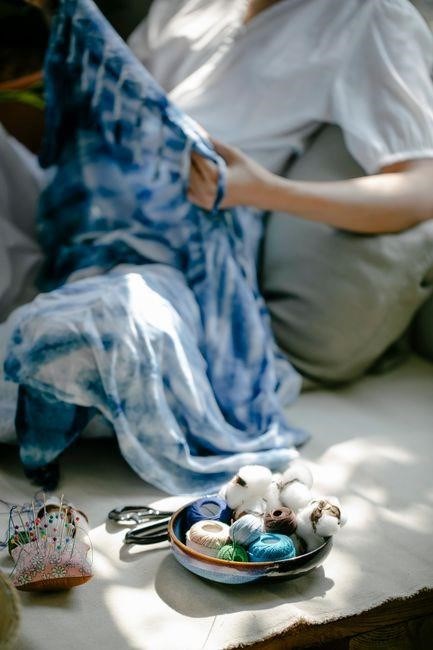
Separate new tie‑dye garments for 48 h‚ then wash with a color catcher sheet on a cold cycle. Use a gentle detergent and avoid fabric softeners that can loosen dye. Rinse thoroughly‚ then air‑dry away from direct light to lock colors. Store folded‚ keep away from light.!!

Wash New Tie‑Dye Separately for 48 Hours
During the 48‑hour window‚ place the garment in a breathable‚ sealed container—such as a mesh preventing moisture buildup while still allowing air circulation. Avoid placing the item in a hot dryer or near a heat source; the dye bonds. If you need to move the garment‚ do so gently to avoid stretching or tearing the fibers. Keep the garment away from other clothes‚ especially dark or brightly colored fabrics‚ to prevent accidental color transfer. After the isolation period‚ a quick rinse in cold water will remove any residual dye that may have escaped during the settling process. The garment is now ready for a standard wash cycle with other items‚ using a mild detergent and cold water to maintain its vibrancy … .
Use Color Catcher Sheets During First Wash
During the initial laundering of a freshly tie‑dye‚ inserting color catcher sheets into the wash cycle can prevent stray dye from bleeding onto other garments. These sheets‚ made of a polymer that binds with loose dye molecules‚ absorb and trap color before it reaches the fabric of neighboring clothes. Place one sheet at the start of the wash‚ ensuring it is fully submerged in the water. Run the machine on a gentle‚ cold cycle with a mild detergent; the sheet will capture the majority of excess dye released during agitation. After the wash‚ remove the sheet and discard it‚ as it has absorbed the majority of the stray pigment. This practice is especially valuable when you have a mix of light and dark items‚ or when you wish to preserve the integrity of delicate fabrics that might otherwise take on unwanted hues. By using color catcher sheets‚ you can maintain the vibrancy of your tie‑dye pieces while keeping your laundry room free from accidental color transfer.
For optimal longevity‚ avoid washing tie‑dye garments with heavy fabrics that may cause abrasion. Additionally‚ always check the care label for specific instructions; some dyes require a delicate cycle. If you notice any color loss after a wash‚ consider re‑dyeing or using a color‑safe dye booster to restore saturation. Finally‚ store tie‑dye pieces in a cool‚ dry place‚ folded flat to prevent creases that could alter the pattern over time. Remember to keep the garment away from direct sunlight during drying‚ as UV rays can fade colors over time in the long run.
Drying and Ironing
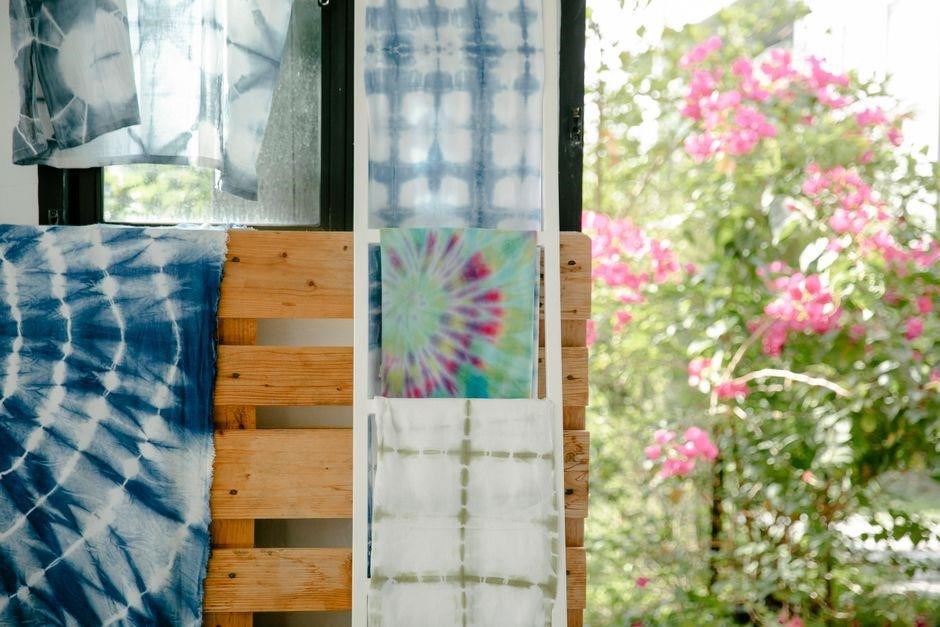
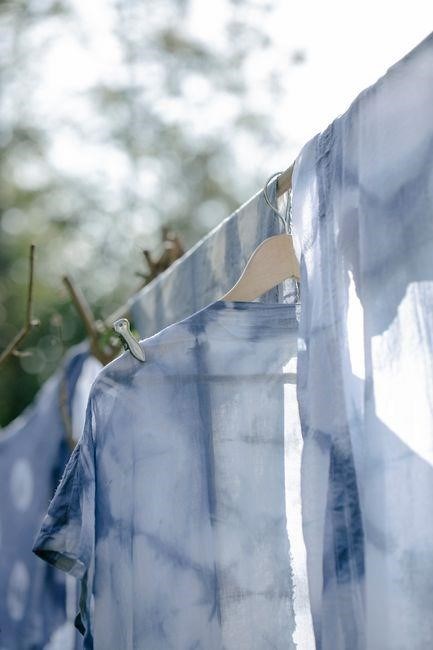
After washing‚ lay the tie‑dye flat on a clean towel to air‑dry; avoid direct sunlight to prevent fading. If using a dryer‚ set it to low heat or air‑dry mode. When ironing‚ use the reverse side at low heat‚ pressing gently‚ and keep the iron moving to avoid scorch marks. Keep heat low to preserve color.
Tumble Dry Low or Air Dry to Avoid Shrinkage
During the drying phase‚ always monitor the garment for any signs of shrinkage. If the fabric feels tight‚ remove it promptly and air‑dry it instead of using the dryer. For delicate tie‑dye pieces‚ consider a low‑heat tumble or a quick rinse cycle. After drying‚ hang the item on a padded hanger to maintain its shape and prevent creases. When storing‚ keep the garment in a cool‚ dark drawer or a sealed bag with silica gel packets to preserve moisture balance and prevent mildew. If the dye has faded‚ a touch‑up with a color‑safe dye can restore vibrancy without compromising the original pattern. Always test a small hidden area before applying any new dye or washing cycle to ensure compatibility with the existing colors. Keep the garment in a dry‚ cool place to extend its life. Keep it dry. Store well;
Iron on Reverse at Low Heat to Maintain Pattern
When ironing a tie‑dye garment‚ always flip the piece inside out to shield the vibrant design from direct heat. Select a low‑heat setting—generally 110–120 °C (230–250 °F)—to prevent scorching or fading the colors. Lay a thin cotton cloth or a dedicated ironing sheet over the fabric; this barrier protects the dye while allowing heat to pass through. Move the iron in slow‚ overlapping strokes‚ ensuring even heat distribution and avoiding prolonged contact in a single spot. For delicate fibers such as silk‚ rayon‚ or nylon blends‚ set the iron to the lowest heat and use the “steam” function sparingly—too much moisture can blur the pattern. If the garment contains polyester or a polyester blend‚ steer clear of high temperatures to avoid melting or distortion. After each pass‚ lift the iron to inspect the fabric; if it feels warm‚ pause and allow it to cool before continuing. Once the entire surface is ironed‚ let the garment rest on a flat‚ heat‑resistant surface for a few minutes; this helps the fibers relax and the pattern to settle. Finally‚ hang the piece on a padded hanger or store it flat‚ keeping it away from direct sunlight and humidity‚ which can cause fading or mildew. By following these steps‚ you preserve the integrity of the tie‑dye artwork while maintaining a crisp‚ wrinkle‑free appearance. Always test a small area to avoidsurprises.
Storage and Re-Coloring
Fold tie‑dye garments flat‚ avoiding creases‚ and store them in a cool‚ dark place. Use acid‑free tissue between layers to prevent color transfer. Wrap in breathable cotton or linen. When re‑dying‚ pre‑wash with cold water‚ then apply a dye batch‚ following the same color‑setting steps to refresh vibrancy.!
Fold and Store Away from Light to Prevent Fade
After the garment has been rinsed and dried‚ lay it flat on a clean‚ dry towel and allow it to air‑dry completely. When the fabric is fully dry‚ fold it carefully along the original seams‚ keeping the folds smooth to avoid creases that could trap moisture and cause mildew. Wrap the folded item in acid‑free tissue paper or place it in a breathable cotton or linen bag; these materials allow air circulation while protecting the dye from direct contact with other fabrics. Store the bag in a cool‚ dark drawer or closet‚ away from direct sunlight‚ fluorescent lighting‚ or any heat source that can accelerate fading. Keep the storage area well‑ventilated but not exposed to drafts that could cause rapid temperature changes; a stable environment helps preserve color integrity. Avoid plastic containers or sealed plastic bags‚ as they trap moisture and can lead to mold or color loss over time. For long‑term preservation‚ rotate the garment every few months‚ re‑drying it briefly before re‑folding to maintain shape and prevent permanent creases. If you plan to re‑dyed the garment later‚ store it in a separate‚ labeled box to avoid mixing with other colors and to keep track of dye history. By following these steps‚ you can keep your tie‑dye vibrant for years‚ ensuring that the colors remain sharp and the patterns retain their original brilliance. Remember to review the garment’s care label before storage‚ as some dyes may require special handling‚ and always keep a small reference card with your storage notes for quick recall.!
Re-Dye to Refresh Vibrancy After Several Washes
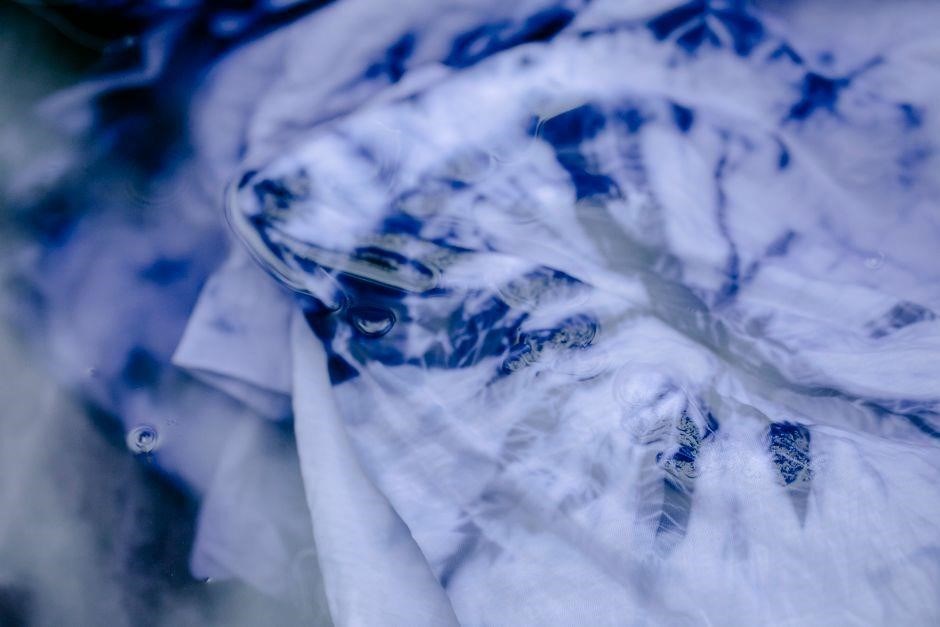
When your tie‑dye has lost some of its punch‚ a quick re‑dye can bring it back to life. First‚ choose a dye kit that matches the original color family; most commercial kits include a color‑matching guide. Pre‑wash the garment in cold water with a gentle detergent to remove any residual oils or dirt that could interfere with dye uptake. Dry it completely before dyeing. Prepare the dye bath according to the manufacturer’s instructions—usually a mixture of dye‚ soda ash‚ and water heated to 120–140 °F. Submerge the garment‚ ensuring it stays fully submerged‚ and stir continuously for 30–45 minutes. After the dye has set‚ rinse the fabric in cold water until the water runs clear‚ then wash it separately in a mild cycle with a color‑safe detergent. Finally‚ dry the garment flat or tumble dry on low heat‚ and iron on reverse if needed. For best results‚ repeat the process every 6–12 months or whenever the colors begin to fade. This method not only restores vibrancy but also extends the life of your tie‑dye creations‚ allowing you to enjoy the original design for years to come. Remember that the longevity of tie‑dye depends on how you treat the fabric after each wash. Avoid using bleach or harsh chemicals‚ as they can strip color. When storing‚ keep the garment in a cool‚ dry place. If you notice any spots or color loss‚ spot‑treat with a small amount of dye or use a fabric marker to touch up the pattern. By following these guidelines‚ you’ll keep your tie‑dye looking fresh and vibrant for many seasons and keep bright.