
Discover a concise PDF guide that details safe, effective scapular strengthening routines for winging․ It outlines repeat counts, daily frequency, and hold durations of 5‑10 seconds, targeting serratus anterior and long thoracic nerve recovery․ Ideal for beginners and clinicians alike․ for optimal recovery․

Scapular Winging Overview
Scapular winging is an uncommon nerve condition affecting the serratus anterior and long thoracic nerve․ It presents with a protruding shoulder blade and limited arm elevation․ The PDF guide offers repeat exercises, daily frequency, and 5‑10 second holds to restore strength․
Definition and Clinical Presentation
Scapular winging is an uncommon nerve disorder primarily affecting the serratus anterior and long thoracic nerve․ It manifests as a prominent, “winged” scapula that protrudes posteriorly, especially during arm elevation or pushing motions․ Patients often report a dull ache, stiffness, and limited overhead reach․ The condition may arise from acute nerve injury, chronic overuse, or congenital weakness, leading to impaired shoulder mechanics and compensatory muscle activation․ Clinical signs include a visible scapular protrusion, reduced shoulder shrug, and difficulty maintaining a neutral scapular position during functional tasks․ In severe cases, the winged scapula can cause shoulder instability and impingement, further limiting range of motion․ Early recognition and targeted strengthening—outlined in the accompanying PDF—can restore scapular control and alleviate pain․
During a standard shoulder assessment, a clinician may observe the scapula drifting laterally and posteriorly as the patient performs a shrug or a push-up test․ The degree of winging can be quantified by measuring the distance from the medial border of the scapula to the spine, with values exceeding 2 cm indicating significant dysfunction․ Patients may also experience a sense of instability or a “popping” sensation when the scapula fails to remain in the thoracic cage․ Early identification is crucial, as untreated winging can lead to compensatory patterns that exacerbate rotator cuff strain and contribute to chronic shoulder pain․ It may worsen fast!!
Common Causes and Risk Factors
Scapular winging frequently originates from damage to the long thoracic nerve, which innervates the serratus anterior․ Traumatic events such as clavicle fractures, surgical procedures around the axilla, or penetrating injuries can sever or stretch this nerve, leading to immediate winging․ Repetitive overhead activities—common in athletes, lifters, and manual laborers—exert chronic microtrauma on the nerve, especially when combined with poor ergonomics or inadequate warm‑up, resulting in gradual weakness․
Muscle imbalances also play a pivotal role; A dominant upper trapezius coupled with a chronically tight pectoralis minor can pull the scapula laterally and posteriorly, creating a mechanical predisposition for winging․ Weakness in the rotator cuff and core musculature diminishes overall shoulder stability, forcing the serratus anterior to compensate and eventually fatigue․ These conditions are often exacerbated by prolonged sitting, forward head posture, or improper lifting techniques․
Congenital factors, such as a hypoplastic serratus anterior or a pre‑existing nerve anomaly, predispose individuals to winging even without overt injury․ Genetic predispositions may also influence connective tissue resilience, making the nerve more susceptible to compression or stretch․ Additionally, systemic illnesses—diabetes, thyroid disorders, or autoimmune diseases—can impair nerve conduction and muscular endurance, thereby increasing risk․
Risk factors are multifactorial and interrelated․ Age-related degeneration, smoking, and obesity can reduce tissue elasticity and blood flow, further compromising nerve health․ Occupational hazards that involve repetitive pushing or pulling motions, especially in the absence of proper protective equipment, heighten the likelihood of nerve irritation․ Finally, a lack of targeted rehabilitation or delayed medical intervention allows compensatory patterns to become entrenched, making subsequent recovery more challenging․
PDF Resources Significance
Structured PDFs give clear, step‑by‑step scapular strengthening plans․ They outline repeat counts, daily frequency, and 5‑10 second holds, targeting serratus anterior and long thoracic nerve recovery․ Ideal for patients and clinicians․ Use it daily for lasting improvement now
Benefits of Structured PDF Guides
Structured PDF guides for scapular strengthening exercises offer a clear, step‑by‑step roadmap that patients and clinicians can follow at home or in the clinic․ They consolidate expert recommendations—such as repeat counts, daily frequency, and 5‑to‑10‑second holds—into a single, easily accessible document․ This format reduces confusion, ensuring that each exercise targets the serratus anterior and long thoracic nerve without overloading the shoulder girdle․ By presenting exercises in a logical progression, the guide helps users move from basic retraction drills to advanced activation patterns, promoting gradual strength gains and preventing setbacks․ The PDF’s portability means it can be printed, annotated, or shared digitally, supporting continuity of care across appointments․ Additionally, the visual layout—often with illustrations or photos—provides instant reference for proper form, decreasing the risk of compensatory movements․ The structured nature of the guide also encourages adherence; clear instructions and a schedule make it easier for patients to integrate the routine into daily life․ Finally, having a standardized resource facilitates outcome tracking, allowing clinicians to assess progress and adjust the program as needed․ Overall, a well‑designed PDF becomes a reliable companion that empowers individuals to regain functional shoulder mechanics and reduce the long‑term impact of scapular winging․
Moreover, the PDF can be updated with evidence, ensuring users always have best practices․ It also educates patients on anatomy, muscle roles, and proper form, boosting confidence daily today etc․

Assessment & Diagnosis
Use the PDF guide to assess scapular winging․ Start with a visual check, then perform the 3‑repeat, 5‑to‑10‑second hold drills․ Record symmetry, range, and pain․ This quick, structured test helps pinpoint nerve involvement and sets a baseline for strengthening․ Repeat daily for 3 weeks, tracking progress․!✔✓✓✓

Physical Examination Techniques
Begin with a standardized visual inspection, noting asymmetry, elevation, or medial displacement of the scapula during arm elevation․ Perform the scapular retraction test: ask the patient to pull the shoulder blades together while keeping arms relaxed․ Observe for resistance or pain․ The scapular protraction test involves asking the patient to push the scapulae forward, checking for instability or winging․ For dynamic assessment, have the patient perform shoulder flexion to 90°, then hold the position for 5 seconds; record any deviation․ A critical component is the “Scapular Retraction Hold” – the patient pulls the scapulae together and holds for 10 seconds, repeating three times․ Measure the time the scapula remains retracted and note any loss of position; Additionally, assess the long thoracic nerve function by asking the patient to abduct the arm to 180° while keeping the elbow straight; a weakness or tremor indicates nerve compromise․ Finally, use a handheld dynamometer to quantify the strength of the serratus anterior against resistance, providing objective data for progression․ Document all findings in the PDF guide for baseline comparison and future re‑evaluation․
During the examination, also evaluate the scapular rhythm by having the patient raise the arm overhead in a controlled manner, noting any premature elevation or delayed scapular upward rotation․ This rhythmic assessment helps identify subtle deficits that may not be apparent during static tests․ Record the findings in the PDF template, ensuring that each metric—visual asymmetry, retraction hold duration, protraction strength, and dynamic rhythm—is documented for longitudinal tracking․
Finally, perform a quick functional test: ask the patient to push a resistance band outward while maintaining scapular stability․ Observe for any winging flare or compensatory shoulder elevation․ This functional snapshot complements the static tests and informs the progression plan outlined in the PDF guide!!

Initial Rehabilitation Exercises
Start with gentle scapular retraction drills: 3 sets of 10 reps, 5‑10 s hold each․ Follow with protraction stretches, 3 sets of 8 reps, holding 5 s․ Perform daily, increasing reps as pain subsides․ Focus on serratus anterior activation for winging recovery․ Repeat daily․
Scapular Retraction Drills
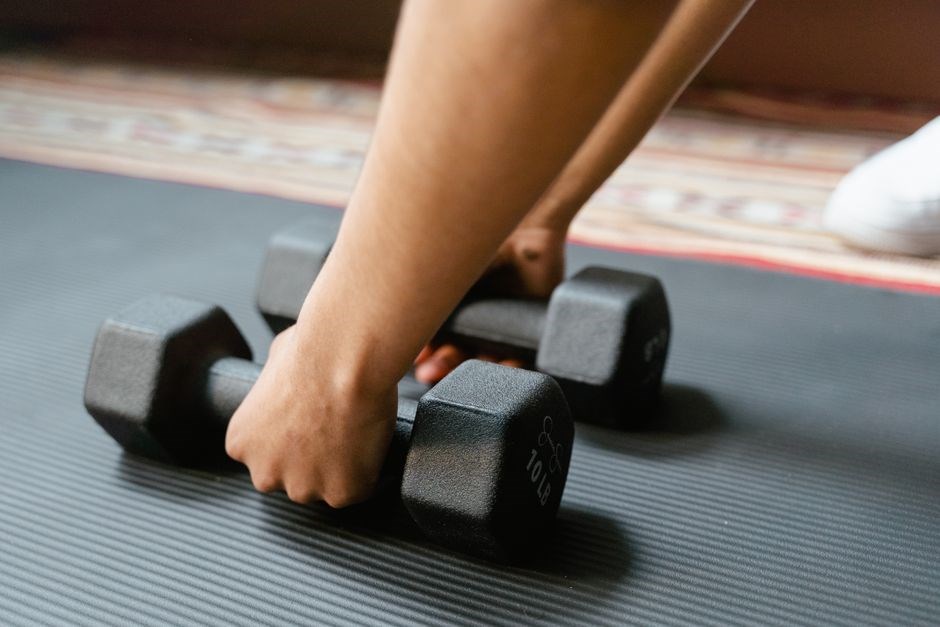
Begin with a seated or standing position, keeping the spine neutral and shoulders relaxed․ Place a resistance band or light dumbbell in each hand, palms facing inward․ Inhale, then exhale as you pull the elbows back, squeezing the shoulder blades together․ The movement should be slow and controlled, focusing on the retraction of the scapula rather than the arm․
Perform 3 sets of 10 repetitions, holding each contraction for 5 to 10 seconds․ Rest for 30 seconds between sets․ As strength improves, increase the hold time to 12–15 seconds and add a second set of 12 repetitions․ This progressive overload stimulates the serratus anterior and rhomboid muscles, which are critical for stabilizing the scapula during shoulder motion․

To target the long thoracic nerve, incorporate a “wall slide” variation: stand with the back against a wall, elbows bent at 90 degrees, and slowly slide the arms upward while keeping contact with the wall․ Maintain the retraction for 5–10 seconds at the apex of the movement․ Repeat 3 times, resting 20 seconds between attempts․
Consistency is key․ Aim for daily sessions, especially during the early rehabilitation phase when nerve conduction is limited․ Monitor for any increase in pain or fatigue; if symptoms worsen, reduce the volume or consult a clinician․ Over time, these drills will restore proper scapular mechanics and reduce winging․
Future progression may include weighted scapular push‑ups or resistance band rows, ensuring the retraction motion remains primary․
Scapular Protraction Exercises
Start in a neutral standing posture, shoulders relaxed․ Hold a light resistance band or dumbbells with palms facing forward․ Inhale, then exhale as you push the elbows forward, allowing the shoulder blades to move away from the spine․ The motion should be smooth, avoiding any shrugging or elevation of the scapula․
Execute 3 sets of 12 repetitions, holding each protraction for 5 to 10 seconds at the peak․ Rest for 30 seconds between sets․ As endurance builds, increase the hold to 12–15 seconds and add a fourth set of 15 reps․ This gradual progression strengthens the serratus anterior and the lower trapezius, crucial for balanced scapular dynamics․
For a wall‑mounted variation, stand with the back against a wall, elbows bent at 90°, and slide the arms forward while maintaining contact with the wall․ Hold the protraction for 5–10 seconds at the top, then return slowly․ Perform 3 cycles, resting 20 seconds between cycles․
Daily practice is recommended, especially during the early phase of nerve recovery when muscle activation is limited․ Monitor for discomfort; if pain increases, reduce volume or seek professional guidance․ Consistent protraction work restores scapular alignment and improves shoulder function․
Integrating these drills into a structured PDF routine ensures progressive overload and measurable milestones․ The guide recommends tracking sets, reps, and hold times, allowing patients to visualize improvement and maintain motivation throughout recovery․ Daily consistent builds confidence․
Progressive Strengthening & Timeline
Begin with light resistance, 3 sets of 10 reps, progressing to 4 sets of 15 as strength improves․ Aim for 6–8 weeks to regain baseline function, then advance to dynamic drills․ Track progress weekly, adjusting load every 2 weeks․ Progression monitored, load daily․!
Advanced Serratus Anterior Activation
Advanced serratus anterior activation focuses on high‑intensity, controlled repetitions that challenge the muscle’s endurance and proprioceptive feedback․ The protocol typically involves 4–5 sets of 12–15 reps, performed twice daily, with each contraction held for 5–10 seconds to maximize fascial tension and neuromuscular recruitment․ Patients are instructed to maintain a neutral scapular position, avoiding protraction or elevation, while engaging the serratus anterior through a full arc of motion․ This technique is particularly effective for individuals recovering from long thoracic nerve injury or serratus anterior palsy, as it stimulates muscle fibers that have been under‑utilized during the acute phase․ Progression is monitored by increasing resistance—using elastic bands or light dumbbells—once the patient can complete the prescribed volume with proper form․ It is crucial to integrate a brief warm‑up, such as scapular push‑ups or wall slides, to prepare the joint capsule and surrounding musculature․ The goal is to achieve a stable, wing‑free scapula capable of supporting overhead activities without compensatory patterns․ Consistent adherence to the schedule, coupled with periodic reassessment, ensures that strength gains translate into functional improvement and reduced pain․ Patients should monitor for any discomfort and report changes promptly, ensuring the program remains safe and effective throughout recovery․ Finally, adding a balanced upper‑body routine, shoulder stability and core work will reinforce gains and support long‑term shoulder health․