
American Survival Guide: A Comprehensive Plan
As of today‚ December 22‚ 2025‚ the escalating global insecurity‚ as highlighted by Robert Peters‚ demands a proactive and detailed survival blueprint for all citizens.
I. Understanding the Current Threat Landscape (12/22/2025)
The present global security situation‚ as analyzed by Robert Peters at the Heritage Allison Center‚ is demonstrably worsening. America’s adversaries are increasingly assertive‚ engaging in aggressive posturing and destabilizing actions worldwide. This heightened tension necessitates a comprehensive understanding of potential threats‚ both natural and man-made.
Specifically‚ we observe escalating geopolitical conflicts‚ the rise of non-state actors‚ and a growing vulnerability to cyberattacks. Simultaneously‚ climate change intensifies the frequency and severity of natural disasters.
Therefore‚ effective survival planning requires acknowledging this multifaceted threat landscape and preparing for a wide range of contingencies‚ from localized emergencies to large-scale disruptions.
II. Natural Disasters & Emergency Preparedness
Given the increasing frequency and intensity of natural disasters‚ proactive preparedness is paramount. The United States faces a diverse range of threats‚ including earthquakes‚ hurricanes‚ typhoons‚ wildfires‚ floods‚ and severe winter storms. Each presents unique challenges demanding specific mitigation strategies.
Effective emergency preparedness begins with risk assessment – understanding the vulnerabilities specific to your geographic location. This involves developing family emergency plans‚ assembling comprehensive disaster kits‚ and practicing evacuation procedures.
Furthermore‚ staying informed about weather patterns and heeding official warnings are crucial for minimizing risk and ensuring a swift‚ safe response when disaster strikes.
III.A. Earthquake Preparedness
Earthquakes pose a significant threat to many regions of the United States‚ particularly along the Pacific Coast and within the New Madrid Seismic Zone. Preparation involves securing your home – bolting furniture to walls‚ reinforcing structures‚ and identifying safe zones.
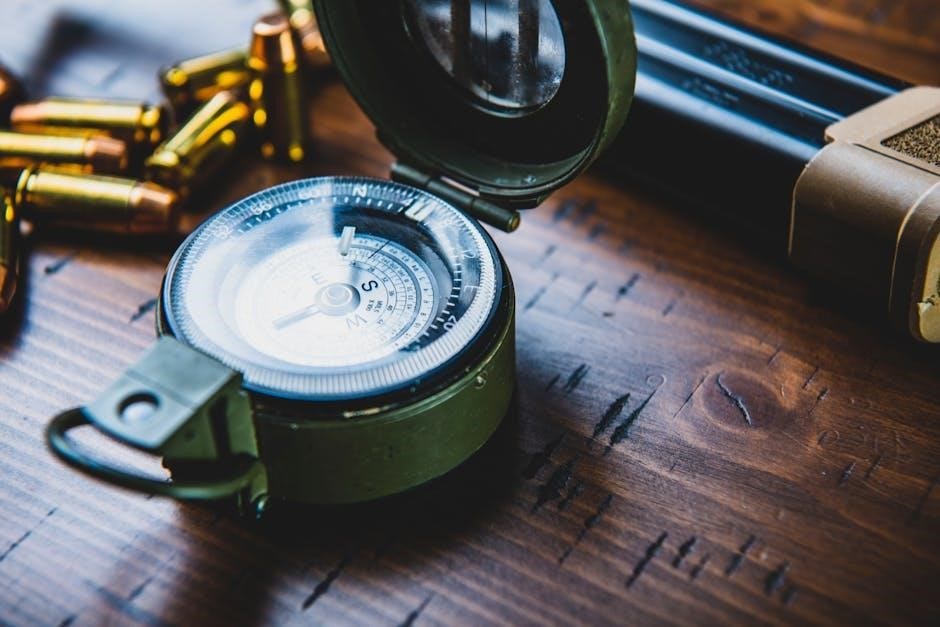
Develop a family communication plan‚ as phone lines may be disrupted. Stockpile essential supplies‚ including water‚ non-perishable food‚ a first-aid kit‚ and a battery-powered radio.
During an earthquake‚ “Drop‚ Cover‚ and Hold On” is the recommended safety procedure. Aftershocks are common‚ so remain vigilant and assess for structural damage before re-entering buildings.
III.B. Hurricane/Typhoon Survival
Hurricanes and typhoons are powerful storms bringing destructive winds‚ torrential rainfall‚ and storm surges. Prior preparation is crucial: understand evacuation routes‚ reinforce windows and doors‚ and trim trees.
Assemble a disaster kit with ample water‚ non-perishable food‚ medications‚ and a NOAA weather radio. Heed evacuation orders immediately‚ seeking shelter in designated safe zones or sturdy buildings.
During the storm‚ stay indoors‚ away from windows. After the storm passes‚ be cautious of downed power lines and floodwaters. Assess damage carefully before returning home.
III.C. Wildfire Mitigation & Escape
Wildfires pose a significant threat‚ especially in dry‚ forested areas. Create a defensible space around your home by clearing vegetation within 30-100 feet. Regularly clean roofs and gutters of debris.
Develop an evacuation plan with multiple routes and a designated meeting point. Assemble a “go-bag” with essential supplies‚ including water‚ food‚ medications‚ and important documents. Monitor fire alerts and heed evacuation orders promptly.
If trapped‚ seek shelter in a clear area‚ cover your mouth and nose with a wet cloth‚ and lie flat to the ground.
IV. Man-Made Disasters & Civil Unrest
The potential for man-made disasters and civil unrest is increasing‚ demanding preparedness. This includes industrial accidents‚ terrorist attacks‚ and widespread social disruption. Stay informed about potential threats in your area through official news sources and emergency alerts.
Develop a family communication plan and establish a secure meeting location. Consider the risks of large gatherings and avoid areas of potential conflict. Stockpile essential supplies‚ including food‚ water‚ and medical provisions‚ for at least two weeks.
Maintain situational awareness and be prepared to shelter in place or evacuate if necessary.
V.A. Active Shooter Situations: Response & Tactics
Facing an active shooter is a terrifying prospect‚ requiring immediate and decisive action. The universally recommended strategy is Run‚ Hide‚ Fight. If a safe escape path is available‚ evacuate immediately. If not‚ find a secure hiding place‚ barricading the door and silencing your phone.
As a last resort‚ and only when your life is in imminent danger‚ attempt to disrupt or incapacitate the shooter using any available means. Remember‚ survival is the priority. Practice mental rehearsals of potential scenarios to improve your reaction time.
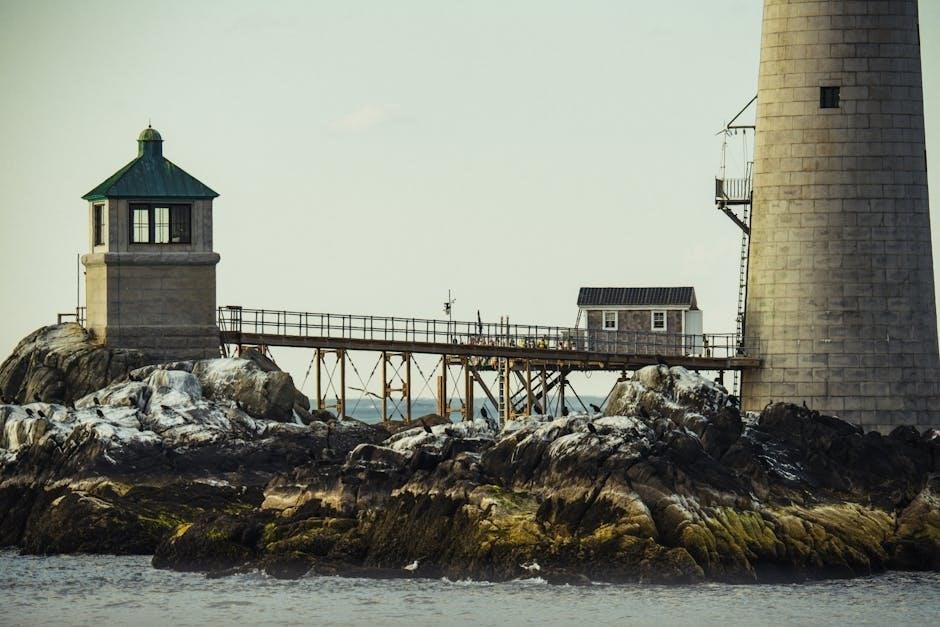
Report the incident to authorities as soon as it is safe to do so.
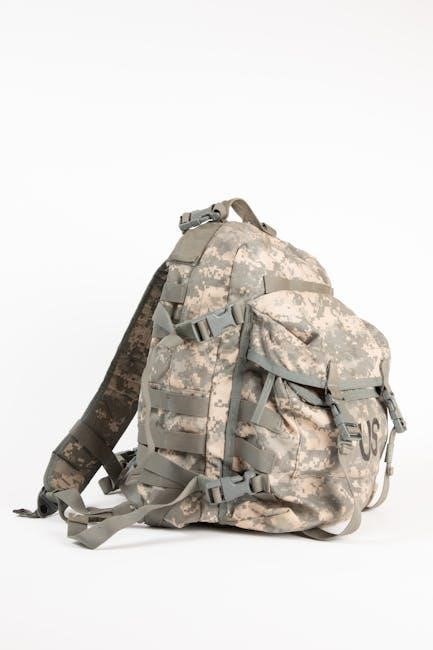
V.B. Civil Disorder & Riot Avoidance
Civil unrest presents unique dangers‚ demanding a different approach than an active shooter situation. The primary goal is avoidance. Monitor news and social media for developing situations and steer clear of protest areas. If caught in a developing riot‚ remain calm and move swiftly away from the core of the disturbance.
Maintain a low profile‚ avoid eye contact‚ and do not engage with protestors or law enforcement. Have a pre-planned escape route and consider traveling with a buddy. Situational awareness is paramount; constantly scan your surroundings for potential threats and exits.
Remember‚ your safety is the priority.
V.C. Grid-Down Scenarios: Power Outage Survival
A prolonged power outage‚ or grid-down scenario‚ demands self-reliance. Assume essential services – electricity‚ water‚ communication – will be unavailable for an extended period. Prioritize securing alternative lighting (flashlights‚ lanterns)‚ heating (wood stove‚ propane heater – with ventilation!)‚ and communication methods (hand-crank radio).
Conserve resources‚ especially water and food. Have a manual can opener and non-perishable food supplies readily available. Protect sensitive electronics from power surges when the grid returns. A well-stocked emergency kit‚ including a first-aid kit‚ is crucial for navigating this challenging situation.
VI. Essential Survival Skills
Mastering fundamental survival skills is paramount for resilience. These aren’t merely hobbies; they are life-saving competencies. Prioritize learning how to reliably start a fire using multiple methods‚ construct a basic shelter for protection from the elements‚ and locate and purify water sources.
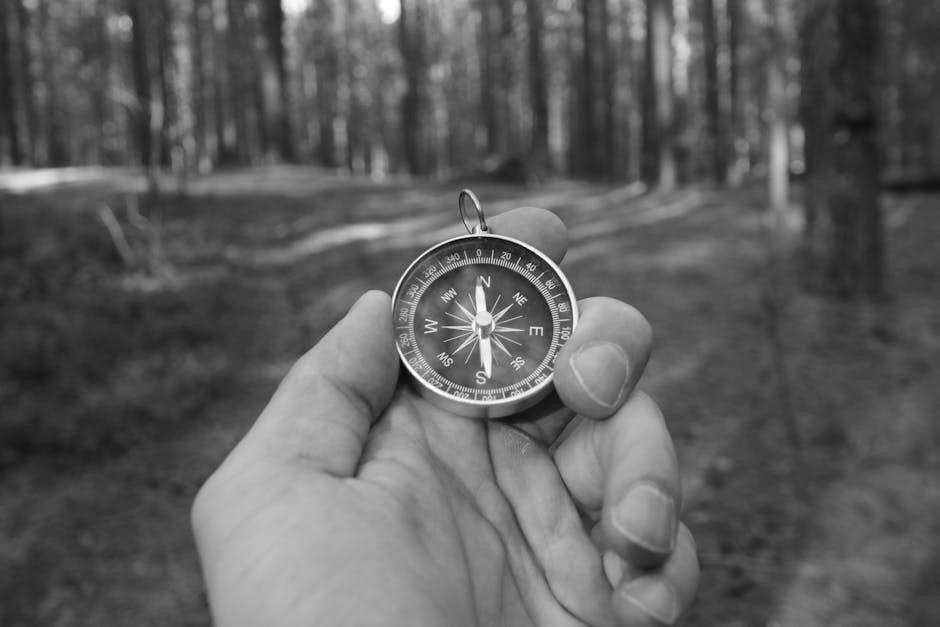
Proficiency in knot-tying‚ basic navigation (map and compass)‚ and identifying edible plants are also invaluable. Regular practice is key to retaining these skills under stress. Remember‚ knowledge without application is insufficient; consistent training builds confidence and capability.
VII.A. Water Procurement & Purification
Securing potable water is the most immediate survival need. Locate potential sources – rainwater‚ streams‚ lakes‚ even dew. However‚ assume all water is contaminated and requires purification. Boiling for one minute effectively kills most pathogens‚ but requires fuel.
Portable water filters are excellent alternatives‚ removing bacteria and protozoa. Chemical purification tablets (iodine or chlorine dioxide) offer a lightweight solution‚ though they may impart a taste. Always pre-filter cloudy water through cloth to extend filter life and improve clarity.
VII.B. Food Acquisition & Preservation
Sustained survival demands a reliable food source. Foraging for edible plants requires expert knowledge to avoid poisoning; invest in field guides and training. Trapping small game – rabbits‚ squirrels – provides protein‚ but necessitates skill and appropriate tools. Fishing‚ if near water‚ is another viable option.
Preserving food extends its usability; Drying is effective for meats and fruits‚ reducing weight and preventing spoilage. Smoking adds flavor and acts as a preservative. Root cellaring can store vegetables‚ but requires suitable conditions.
VII.C. Shelter Building & Fire Starting
Protection from the elements is paramount. Lean-tos offer quick‚ basic shelter using natural materials. Debris huts provide better insulation but require more effort. Consider natural shelters like caves‚ but assess for hazards. Prioritize location – avoid floodplains and unstable ground.
Fire provides warmth‚ cooks food‚ and signals for help. Master multiple fire-starting methods – matches‚ lighters‚ ferro rods. Gather tinder (dry leaves‚ birch bark) and kindling (small twigs) before attempting to ignite. Build a fire ring for safety and containment.
VIII. First Aid & Medical Preparedness
Medical emergencies are inevitable‚ especially during prolonged survival scenarios. Comprehensive training in first aid and CPR is crucial. Understand trauma care – controlling bleeding‚ stabilizing fractures‚ and treating burns. Recognize common illnesses and their symptoms‚ preparing for potential outbreaks.
A well-stocked first aid kit is essential. Include bandages‚ antiseptic wipes‚ pain relievers‚ splints‚ and any personal medications. Knowledge of herbal remedies can supplement supplies. Prioritize prevention – hygiene‚ safe food handling‚ and injury avoidance.
IX.A. Trauma Care & Wound Management
Effective trauma care is paramount in survival situations where professional medical help may be delayed or unavailable. Prioritize controlling severe bleeding using direct pressure‚ tourniquets (when appropriate)‚ and wound packing. Assess for shock – maintain warmth‚ elevate legs‚ and provide reassurance.
Proper wound cleaning is vital to prevent infection. Utilize antiseptic solutions and sterile dressings. Learn to stabilize fractures using splints and improvised materials. Recognize signs of infection – redness‚ swelling‚ pus – and seek appropriate treatment if possible.
IX.B. Common Illnesses & Treatment
Survival scenarios increase susceptibility to common illnesses due to compromised hygiene and stress. Understand the symptoms and basic treatment for conditions like dehydration‚ diarrhea‚ and respiratory infections. Oral rehydration solutions are crucial for combating dehydration. Boil water rigorously for safe consumption.
Fever management can be attempted with cooling methods. Recognize signs of more serious illnesses requiring immediate attention if possible. Knowledge of herbal remedies (with caution and proper identification) can supplement limited medical supplies. Prevention through hygiene is always the best approach.
IX.C. Building a Comprehensive First Aid Kit
A well-stocked first aid kit is paramount for survival. Include bandages (various sizes)‚ antiseptic wipes‚ gauze pads‚ medical tape‚ and pain relievers. Don’t forget antibiotic ointment‚ burn cream‚ and blister treatment. Essential additions are tweezers‚ scissors‚ a thermometer‚ and gloves.
Consider including a SAM splint for fractures‚ a tourniquet (with proper training)‚ and CPR mask. Personal medications and allergy treatments are vital. Organize your kit in a waterproof container‚ clearly labeled. Regularly check and replenish expired items to ensure readiness.
X. Self-Defense & Personal Security
Proactive personal security is crucial in a deteriorating global landscape. Prioritize situational awareness – constantly scan your surroundings and identify potential threats. Develop a threat assessment mindset‚ evaluating risks and planning escape routes. Learn basic self-defense techniques‚ focusing on de-escalation and creating distance.
Enhance home security with reinforced doors‚ window locks‚ and alarm systems. Consider a neighborhood watch program for collective vigilance. Understand local self-defense laws and your rights. Remember‚ avoidance is often the best defense; prioritize safety and minimize risk whenever possible.
XI.A. Situational Awareness & Threat Assessment
Cultivating heightened situational awareness is paramount for personal safety. Continuously observe your surroundings – people‚ places‚ and potential hazards. Identify anomalies; anything out of the ordinary warrants attention. Develop pre-incident indicators‚ recognizing behaviors suggesting potential threats. Practice the “color code of awareness” – white‚ yellow‚ orange‚ red – to gauge risk levels.
Threat assessment involves evaluating the likelihood and severity of potential dangers. Consider vulnerabilities – your weaknesses and those of your environment. Plan escape routes and safe havens. Trust your instincts; if something feels wrong‚ it probably is. Regularly practice these skills to build proficiency.
XI.B. Non-Lethal Self-Defense Techniques
Prioritizing de-escalation is crucial‚ but preparedness for physical confrontation is vital. Master basic self-defense techniques like palm heel strikes‚ elbow strikes‚ and knee strikes – effective at close range. Learn simple joint locks and escapes to create distance. Pepper spray is a highly effective non-lethal deterrent‚ understanding legal restrictions is key.
Focus on targeting vulnerable areas – eyes‚ nose‚ throat‚ groin. Practice situational drills to build muscle memory and reaction time. Remember‚ the goal is to incapacitate and escape‚ not to engage in prolonged fighting. Consider taking a certified self-defense course for comprehensive training.
XI.C. Home Security & Defense Strategies
Fortifying your home is a cornerstone of survival preparedness. Begin with robust door and window locks‚ reinforced frames‚ and security film. Install a monitored alarm system with exterior cameras and motion sensors. Exterior lighting deters intruders; consider motion-activated floodlights.
Create defensible positions within your home‚ identifying safe rooms. Maintain clear visibility around your property by trimming landscaping. Develop a family emergency plan‚ including evacuation routes and communication protocols. Consider a dog for added security and early warning. Remember‚ layered security is most effective.
XII. Communication & Information Gathering
Maintaining communication during a crisis is vital. Invest in a NOAA weather radio for official alerts and updates. Hand-crank or battery-powered radios are essential when power grids fail. Consider a satellite phone for remote communication‚ though costs can be significant.
Establish a network with trusted neighbors for information sharing. Monitor local authorities and emergency services via official channels. Beware of misinformation spreading through social media; verify sources carefully. Pre-program important contacts into your devices. Regularly check radio frequencies for crucial broadcasts.
XIII.A. Emergency Communication Devices (Radios‚ Satellite Phones)
Essential communication tools include NOAA weather radios‚ providing critical alerts even during power outages. Hand-crank radios offer self-sufficiency‚ eliminating battery dependence. Two-way radios (GMRS/FRS) facilitate short-range communication within groups. For broader reach‚ consider a satellite phone‚ though service subscriptions are costly.
Invest in quality devices and learn their operation beforehand. Pre-program emergency frequencies. Store extra batteries or a charging solution. Understand the limitations of each device – range‚ signal strength‚ and reliability. Regularly test equipment to ensure functionality when needed most.
XIII.B. Information Sources During a Crisis (NOAA‚ Local Authorities)
Reliable information is paramount during emergencies. NOAA Weather Radio broadcasts official alerts and forecasts. Local authorities – police‚ fire departments‚ and emergency management agencies – provide crucial updates via radio‚ television‚ and online platforms.
Beware of misinformation spreading through social media. Verify information from multiple trusted sources. Monitor official websites and social media accounts for accurate updates. Establish a network with neighbors to share information. Understand local emergency plans and evacuation routes. Stay informed‚ not panicked.
XIV. Long-Term Sustainability & Resilience
Beyond immediate survival‚ long-term resilience is crucial. Cultivate self-sufficiency through skills like gardening and food preservation. Explore alternative energy sources – solar and wind power – to reduce reliance on fragile infrastructure. Develop water conservation strategies and rainwater harvesting systems.
Community collaboration is vital for shared resources and mutual support. Learn traditional skills like canning‚ sewing‚ and basic repairs. Build a network of like-minded individuals. Focus on resourcefulness and adaptability. Embrace a mindset of preparedness and continuous learning for lasting resilience.
XV;A. Gardening & Food Production
Establishing a sustainable food source is paramount for long-term survival. Begin with easy-to-grow vegetables like tomatoes‚ beans‚ and squash. Focus on seed saving to ensure future harvests and genetic diversity. Utilize companion planting techniques to maximize yields and deter pests naturally.
Consider vertical gardening for limited spaces and learn about permaculture principles for efficient land use. Composting food scraps and yard waste enriches soil. Research local growing seasons and climate-appropriate crops. Small-scale animal husbandry‚ like chickens‚ provides eggs and meat.
XV.B. Alternative Energy Sources (Solar‚ Wind)
Reliance on the power grid is a vulnerability during prolonged crises. Investing in alternative energy sources offers independence and resilience. Small-scale solar panel systems can power essential devices like radios and lights. Wind turbines‚ even DIY versions‚ can supplement energy needs in suitable locations.
Learn about battery storage solutions to conserve generated power. Consider a manual generator as a backup. Prioritize energy efficiency to minimize consumption. Understand the basics of electrical systems for safe installation and maintenance. Explore options for heating and cooking without electricity.
XVI. Bug-Out Bags & Emergency Kits
A well-prepared “bug-out bag” is crucial for rapid evacuation. Prioritize lightweight‚ durable backpacks. Essential items include water purification tools‚ non-perishable food‚ first-aid supplies‚ a reliable light source‚ and navigation tools (map & compass). Include a multi-tool‚ fire starter‚ and shelter materials like a tarp.
Don’t forget personal hygiene items‚ essential medications‚ and copies of important documents. Consider adding communication devices like a hand-crank radio. Regularly inspect and replenish supplies‚ ensuring food hasn’t expired. Customize your kit based on potential threats and your specific needs.
XVII.A. Essential Items for a 72-Hour Kit
A 72-hour kit provides sustenance and safety during initial emergency response. Include at least one gallon of water per person‚ per day‚ and a three-day supply of non-perishable food. Pack a first-aid kit with essential medications‚ bandages‚ and antiseptic wipes. Don’t forget a battery-powered or hand-crank radio for information.
Essential are a flashlight‚ extra batteries‚ a whistle to signal for help‚ dust masks‚ and moist towelettes. Add a multi-tool‚ a local map‚ and a portable charger for electronic devices. Consider including a sleeping bag or warm blanket for shelter and warmth.
XVII.B. Customizing Your Bug-Out Bag for Specific Threats
Tailoring your bug-out bag to potential regional disasters is crucial. For earthquake zones‚ include sturdy shoes‚ a helmet‚ and work gloves. In hurricane-prone areas‚ prioritize waterproof containers‚ rain gear‚ and a manual can opener. Wildfire regions demand N95 masks‚ goggles‚ and extra water for smoke inhalation.
Consider adding self-defense items based on local crime rates and civil unrest potential. If grid-down scenarios are likely‚ a Faraday cage for electronics and alternative power sources are vital. Remember to update your kit seasonally and review its contents regularly.
XVIII. Psychological Preparedness & Mental Fortitude
Survival isn’t solely physical; mental resilience is paramount. Cultivate a mindset of adaptability and acceptance‚ recognizing that plans may change rapidly. Practice stress-reduction techniques like deep breathing and mindfulness to manage anxiety during crises. Develop a strong support network and maintain open communication with loved ones.
Pre-event mental rehearsals can significantly improve your response under pressure. Acknowledge your fears‚ but focus on proactive problem-solving. Remember that maintaining hope and a positive outlook are essential for long-term survival and recovery.
XIX. Legal Considerations & Self-Defense Laws
Understanding your legal rights regarding self-defense is crucial. Laws vary significantly by state‚ covering justifiable use of force‚ stand-your-ground doctrines‚ and castle doctrines. Familiarize yourself with local regulations concerning firearms‚ less-lethal weapons‚ and property defense.
Document all interactions with law enforcement and maintain a clear record of any self-defense actions. Seek legal counsel to understand your rights and responsibilities fully. Ignorance of the law is no excuse; proactive knowledge can protect you from potential legal repercussions during a crisis.
XX. Resources & Further Learning (Heritage Allison Center for National Security ⸺ Robert Peters)
The Heritage Foundation’s Allison Center for National Security‚ with insights from Senior Research Fellow Robert Peters‚ provides critical analysis of the deteriorating global security landscape. Explore their publications on strategic deterrence and national security threats for a deeper understanding.
Supplement this guide with advanced training in first aid‚ self-defense‚ and emergency preparedness. Consider courses offered by reputable organizations like the American Red Cross and FEMA. Stay informed through official channels like NOAA and local emergency management agencies. Continuous learning is paramount for resilience.