
Manual Hoyer Lift: A Comprehensive Guide
This guide details the operation of Hoyer lifts, referencing instructions for models like the 13023SV and Atlas Lite Mkii.
It also touches upon training resources, and the importance of safe lifting techniques, referencing materials from Saint Petersburg Polytechnic University.
What is a Manual Hoyer Lift?
A manual Hoyer lift is a patient-lifting device designed to assist with the safe transfer of individuals with limited mobility. Unlike powered versions, it relies on a hand-operated crank to raise and lower the patient, offering a cost-effective solution for facilities and homes. These lifts are frequently referenced in instruction manuals, such as those for the Hoyer Lift 13023SV and the Atlas Lite Mkii Hoist Lift, emphasizing their utility in ambulation assistance.
The core function is to minimize the risk of injury to both the patient and the caregiver during transfers. Manual operation demands a deliberate and controlled approach, requiring trained personnel. Resources from institutions like Saint Petersburg Polytechnic University highlight the importance of proper technique, akin to safe weightlifting practices, ensuring patient comfort and preventing strain.
Essentially, it’s a mechanical aid promoting dignified and secure patient movement.
Understanding the Core Components
A manual Hoyer lift comprises several key elements working in unison. The foundational component is the lift frame, providing structural support and housing the lifting mechanism. Crucially, a hydraulic or mechanical system, activated by the manual crank (referenced in multiple manuals), powers the raising and lowering action. The spreader bar adjusts width to accommodate various body sizes.
Sling attachments are integral, connecting the lift to the patient via a specialized sling. These slings, discussed later, come in diverse materials and designs. A base provides stability, often featuring swivel casters for maneuverability. Control handles manage direction and braking.
Understanding these components, as detailed in lift instructions, is vital for safe and effective operation.
Benefits of Using a Manual Hoyer Lift
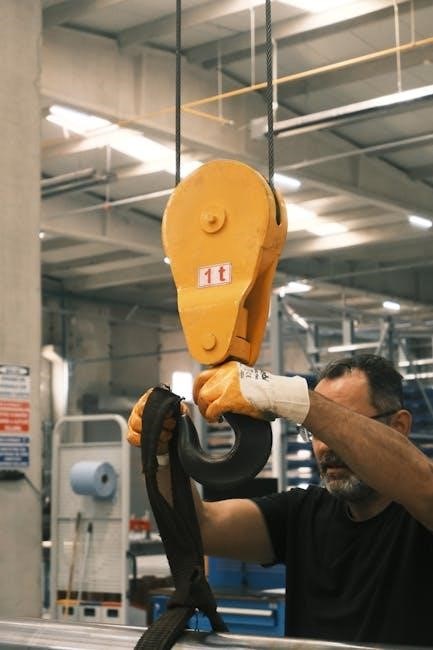
Manual Hoyer lifts offer significant advantages for both patients and caregivers. Primarily, they reduce the risk of injury associated with manual lifting and transferring, protecting both parties from strain and potential harm. These lifts promote patient dignity by facilitating transfers with greater comfort and control, minimizing physical discomfort and emotional distress.
They enable independent living for individuals with limited mobility, fostering a sense of autonomy. Manual operation eliminates reliance on electricity, offering a dependable solution even during power outages.
Furthermore, consistent use, coupled with proper training, can contribute to improved patient outcomes and a safer care environment.

Safety First: Pre-Lift Checks
Prior to each lift, thorough inspection of the Hoyer lift is crucial, ensuring all components function correctly and are suitable for the intended transfer.
Patient Assessment and Preparation
Before utilizing a manual Hoyer lift, a comprehensive patient assessment is paramount. This involves evaluating the individual’s weight, ensuring it falls within the lift’s specified capacity – crucial for preventing equipment failure and potential injury.
Assess the patient’s physical and cognitive abilities, noting any limitations in mobility or comprehension. Explain the procedure clearly, addressing any anxieties or concerns to foster cooperation.
Confirm the patient’s ability to assist, even minimally, with the transfer process. Pre-position the patient appropriately, ensuring limbs are clear of obstructions and the sling can be applied without causing discomfort.
Review the patient’s medical history, identifying any conditions that might contraindicate lift usage, such as unstable fractures or recent surgeries. Proper preparation minimizes risk and maximizes safety during the transfer.
Lift Capacity and Weight Limits
Understanding the lift capacity of a manual Hoyer lift is non-negotiable for safe operation. Exceeding the weight limit compromises the lift’s structural integrity, potentially leading to catastrophic failure and severe patient harm.
Always verify the specific weight limit of the model being used, such as the Hoyer Lift 13023SV, before each transfer. This information is typically found on the lift’s frame or in the accompanying documentation.
Consider not only the patient’s body weight but also any additional weight, like blankets or medical equipment, that will be supported during the lift.
Regularly inspect the lift for signs of wear and tear, as damage can reduce its capacity. Never attempt to modify the lift to increase its weight limit.
Environmental Considerations
Safe manual Hoyer lift operation necessitates careful assessment of the surrounding environment. Ensure a clear, unobstructed path for the lift’s movement, free from furniture, cords, or other tripping hazards.
Flooring surfaces must be stable and capable of supporting the combined weight of the lift, patient, and operator. Avoid uneven or slippery surfaces that could compromise stability.
Adequate lighting is crucial for clear visibility during the transfer process. Poor lighting increases the risk of errors and accidents.
Consider the space constraints of both the starting and destination points. Ensure sufficient room for maneuvering the lift and positioning the patient comfortably.
Operating the Manual Hoyer Lift: Step-by-Step
Operation involves utilizing the manual crank for lift initiation and cessation, alongside the manual stop for immediate engine control.
Precise control is key during patient transfers, ensuring safety and comfort throughout the process.
Attaching the Sling Correctly
Proper sling attachment is paramount for patient safety and a successful lift. Begin by carefully inspecting the sling for any tears, fraying, or damage before each use. Ensure the sling size is appropriate for the patient’s body type and the transfer being performed.
Position the sling under the patient, following the manufacturer’s guidelines for placement – whether it’s a mesh or solid fabric sling. Crucially, avoid twisting the sling material, as this can cause discomfort and pressure points. Secure the sling straps to the Hoyer lift’s spreader bar, verifying each connection point is firmly locked.
Double-check that the sling is evenly distributed and supports the patient’s weight appropriately. Never attempt a lift if the sling is improperly attached or appears compromised. A secure and correctly fitted sling is the foundation of a safe patient transfer.
Cranking and Lifting Procedures
Initiating the lift requires a smooth, controlled cranking motion. Begin by ensuring the lift’s base is stable and the sling is correctly attached. Slowly turn the manual crank, observing the patient’s response and maintaining constant communication. Avoid jerky movements or rapid cranking, as this can cause discomfort or instability.
As the patient rises, continuously monitor the sling’s position and adjust as needed to maintain proper support. Remember to lift slowly and steadily, pausing frequently to assess the patient’s comfort and security. Never exceed the lift’s weight capacity, and always have a second trained person present for assistance.
Utilize the manual stop feature if immediate cessation of lifting is required. Smooth, controlled cranking is key to a safe and comfortable transfer.
Precise Positioning and Lowering
Achieving accurate positioning is crucial for patient comfort and safety. Once at the desired height, use gentle cranking adjustments to fine-tune the patient’s location. Ensure adequate clearance for transferring to the target surface – bed, chair, or commode. Communicate clearly with the patient throughout the positioning process.
Lowering the patient requires the same slow, controlled cranking motion used for lifting. Maintain a firm grip on the crank and avoid sudden releases. Monitor the patient’s descent, ensuring the sling doesn’t snag or cause pressure points.
Utilize the manual stop if needed during lowering. Complete the transfer by gently lowering the patient until fully seated or reclined, then carefully remove the sling.
Sling Types and Selection
Choosing the correct sling is vital; options include mesh, solid fabric, and specialty designs. Selection depends on patient needs and transfer type.
Mesh Slings: Advantages and Disadvantages
Mesh slings are a popular choice due to their breathability, promoting air circulation and reducing the risk of skin breakdown during transfers. This makes them particularly suitable for longer transfer durations or for patients with sensitive skin. Their lightweight nature also contributes to ease of use and maneuverability with a manual Hoyer lift.
However, mesh slings offer less support compared to solid fabric options. They may not be ideal for patients who require significant postural support or have limited upper body control. The open weave can also be less comfortable for some individuals, and there’s a potential for the mesh to bunch or twist during the lifting process, requiring careful attention during application and operation. Proper inspection before each use is crucial to ensure the integrity of the mesh material.
Ultimately, the suitability of a mesh sling depends on a thorough assessment of the patient’s individual needs and capabilities.
Solid Fabric Slings: When to Use Them
Solid fabric slings are the preferred choice when enhanced support and stability are paramount during patient transfers with a manual Hoyer lift. These slings, constructed from durable, non-stretch materials, provide a more secure and encompassing cradle for individuals with limited mobility or those who require significant postural control.
They are particularly beneficial for patients recovering from surgery, experiencing weakness, or those at risk of sliding or instability during the lifting process. The solid construction minimizes the risk of bunching or twisting, offering a more predictable and controlled transfer.
However, solid fabric slings can be less breathable than mesh alternatives, potentially increasing the risk of skin moisture buildup. Careful monitoring and appropriate skin care are essential when utilizing these slings, especially during extended transfers.
Specialty Slings for Specific Needs
Beyond standard mesh and solid fabric options, a range of specialty slings cater to unique patient requirements when utilizing a manual Hoyer lift. These include bariatric slings designed to accommodate higher weight capacities, ensuring safe and secure transfers for larger individuals.
Furthermore, there are slings specifically engineered for individuals with limb restrictions, post-operative conditions, or those requiring specialized positioning. Padded slings offer enhanced comfort and pressure distribution, minimizing the risk of skin breakdown during prolonged use.
Selecting the appropriate specialty sling is crucial for optimizing patient safety and comfort. Careful assessment of the individual’s needs, combined with a thorough understanding of sling features, is essential for a successful transfer.

Maintenance and Troubleshooting
Regular inspection, lubrication, and cleaning are vital for optimal function.
Addressing common issues promptly ensures continued safe operation of the manual Hoyer lift.
Regular Inspection Procedures
Consistent and thorough inspection is paramount for maintaining a safe and functional manual Hoyer lift. Before each use, carefully examine the lift’s structural components – the mast, base, and spreader bar – for any signs of bending, cracking, or corrosion. Pay close attention to the hydraulic system, checking for leaks or unusual noises during operation.
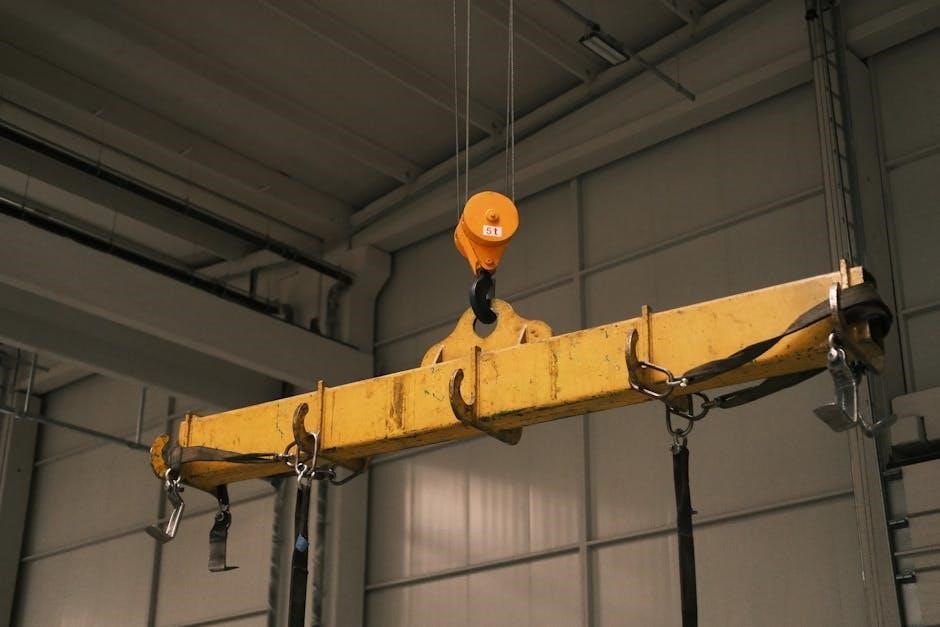
Inspect all chains, cables, and hooks for wear and tear, ensuring they are securely fastened and free from damage. The sling attachment points should be scrutinized for any fraying or weakening of the material. Regularly assess the functionality of the manual crank, verifying smooth operation and secure locking mechanisms. Document all inspection findings and any necessary repairs or replacements to maintain a comprehensive maintenance record.
Adhering to a strict inspection schedule will proactively identify potential issues, preventing accidents and extending the lifespan of the lift.
Common Issues and Solutions
Manual Hoyer lifts, while robust, can encounter certain issues. A frequent problem is difficulty with the cranking mechanism; this often stems from lack of lubrication or internal wear, requiring cleaning or component replacement. Hydraulic system failures, indicated by sluggish lifting or inability to hold position, necessitate professional repair or fluid replenishment.
Sling attachment difficulties can arise from incorrect sling selection or damaged attachment points. Ensure the correct sling is used for the patient’s needs and that all connections are secure. If the lift feels unstable, check the base for proper locking and level positioning. Regular maintenance, as outlined in inspection procedures, can prevent many of these issues.
Always consult the manufacturer’s manual for specific troubleshooting steps and safety precautions.
Lubrication and Cleaning
Regular lubrication is crucial for maintaining a smooth and safe operating manual Hoyer lift. Focus on the cranking mechanism, applying a silicone-based lubricant to gears and moving parts to reduce friction and prevent corrosion. Avoid oil-based lubricants, as they can attract dust and grime. The hydraulic system, if present, requires periodic inspection and potential fluid top-up according to the manufacturer’s guidelines.
Cleaning should occur after each use, focusing on the sling attachment points and the lift’s frame. Use a mild detergent and water, ensuring thorough drying to prevent rust. Inspect slings for tears or damage during cleaning.
Always disconnect the lift from the power source before cleaning or lubricating.

Training and Certification
Proper training is essential for safe operation, covering techniques and patient handling. Certification programs ensure competency, while continuing education keeps skills current.
Importance of Proper Training
Comprehensive training is paramount when utilizing a manual Hoyer lift, directly impacting both patient safety and caregiver well-being. Insufficient knowledge can lead to improper sling attachment, incorrect cranking procedures, and ultimately, potential injury. A well-structured training program should cover detailed operational steps, referencing specific model instructions like those for the Hoyer Lift 13023SV and Atlas Lite Mkii.
Furthermore, training must emphasize patient assessment, weight limit adherence, and environmental considerations. Understanding how to transfer patients safely to and from various surfaces, and addressing anxieties, are crucial components. Resources from institutions like Saint Petersburg Polytechnic University highlight the need for correct lifting techniques and maintaining proper posture. Investing in thorough training minimizes risks and promotes confident, effective lift operation.
Available Certification Programs
While a universally mandated certification for manual Hoyer lift operation doesn’t appear to be prevalent, numerous organizations offer training programs that culminate in certificates of completion. These programs, often geared towards healthcare professionals, focus on safe patient handling techniques, including detailed instruction on lift operation – referencing models like the Hoyer 13023SV and Atlas Lite Mkii.
Many hospitals and long-term care facilities provide in-house training, often exceeding basic operational guidelines. External providers offer specialized courses covering risk assessment, sling selection, and emergency procedures. Continuing education resources are vital for maintaining competency, ensuring caregivers stay updated on best practices and new equipment features. Seeking programs aligned with industry standards is recommended for optimal skill development.
Continuing Education Resources
Maintaining proficiency with manual Hoyer lifts requires ongoing education. While specific, dedicated “Hoyer lift” continuing education isn’t widely advertised, relevant resources exist within broader patient handling and mobility training. Healthcare facilities frequently offer in-service updates on safe lifting practices, incorporating new sling technologies and addressing evolving patient needs.
Professional organizations focused on rehabilitation and long-term care often host workshops and webinars covering safe patient transfer techniques. Resources from institutions like Saint Petersburg Polytechnic University (referenced in related equipment manuals) may offer insights into biomechanics and ergonomic principles applicable to lift operation. Staying current ensures caregivers utilize best practices, minimizing risk and maximizing patient comfort.

Advanced Techniques and Considerations
Effective transfers demand skill, adapting to surfaces and patient limitations. Addressing anxieties and ensuring comfort are crucial for safe, successful manual Hoyer lift operations.
Transferring to and from Different Surfaces
Successfully maneuvering a manual Hoyer lift requires careful consideration of the destination surface. Unlike a standardized bed, chairs, wheelchairs, and even commodes present varying heights, widths, and stability levels.
Prior to any transfer, thoroughly assess the receiving surface. Ensure it’s capable of supporting the patient’s weight and that there’s adequate space for the lift and sling. Locking wheelchair brakes and verifying chair stability are paramount.
Adjusting sling height and boom arm positioning is critical. Precise control during descent minimizes shearing forces and maximizes patient comfort. When transferring from a surface, ensure the sling clears all obstructions.
Remember, smooth, controlled movements are key. Avoid abrupt stops or jerks, which can cause discomfort or even injury. Constant communication with the patient throughout the transfer process is essential.
Working with Patients with Limited Mobility
Patients with restricted movement necessitate a heightened level of care when utilizing a manual Hoyer lift. Individuals with conditions impacting strength, range of motion, or cognitive function require extra patience and meticulous technique.
Pre-transfer assessment is crucial. Identify specific limitations and tailor the process accordingly. For example, patients with contractures may need specialized sling placement. Communication is paramount; explain each step clearly and simply.
Support and stabilization are vital. Caregivers should provide additional support to limbs or the torso as needed during the lift and transfer.
Slow, deliberate movements minimize discomfort and prevent strain. Be prepared to pause or adjust the process based on the patient’s feedback. Prioritize patient comfort and safety above all else.
Addressing Patient Anxiety and Comfort
Many patients experience anxiety related to being lifted and transferred, especially with a manual Hoyer lift. A calm and reassuring demeanor from the caregiver is essential to alleviate these fears.
Thorough explanation of the procedure builds trust and reduces apprehension. Describe each step in simple terms, emphasizing safety and support. Allow the patient to voice concerns and address them patiently.
Maintaining patient dignity is paramount. Ensure privacy during the transfer and avoid exposing the patient unnecessarily.
Gentle and smooth movements minimize discomfort. Constant communication throughout the process allows for adjustments based on the patient’s feedback, fostering a sense of control and security.